
Vape Not Working? Safe Checks Before Replacing It
Quick answer: a vape not working may be caused by a flat battery, depleted liquid, blocked airflow, poor pod contact, cold storage, draw-activation issues or normal end-of-life. Start with safe external checks only. Stop immediately if the device is unusually hot, swollen, leaking, cracked, smoking, hissing or smells chemical.
This VAPES-AUS troubleshooting guide is written for common disposable, rechargeable disposable and pod-style vape formats. It does not ask you to open sealed hardware, repair a lithium battery, refill a sealed unit or modify contacts. The aim is to separate simple usage issues from symptoms that mean the product should no longer be used.
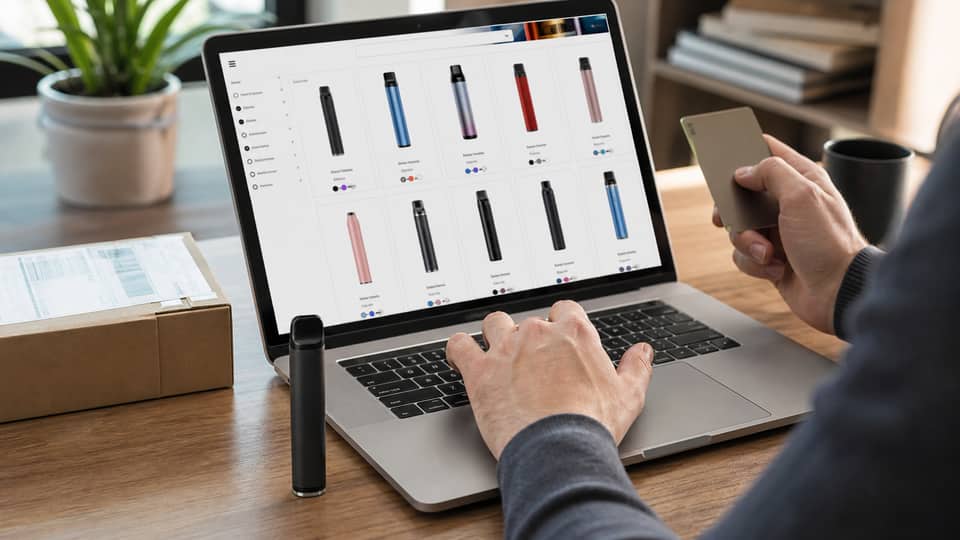
Vape Not Working: Symptom Table
| Symptom | Likely Area | Safe First Check |
|---|---|---|
| No light and no vapour | Battery, activation or end-of-life | Confirm whether the model is rechargeable and check any visible battery indicator |
| Light flashes but no vapour | Low battery, low liquid, airflow or protection cut-off | Read battery and liquid clues separately; inspect visible air inlets |
| Draw feels blocked | Mouthpiece, condensation or external airflow path | Remove visible lint or packaging film from the exterior only |
| Weak vapour | Battery decline, liquid level, cold storage or coil age | Let an intact device rest at room temperature and try a normal short draw |
| Works then cuts out | Draw limit, heat protection or low battery | Use shorter normal draws and stop if the device becomes warm |
| Burnt, metallic or chemical taste | Dry wick, depleted liquid or unsafe condition | Stop using it; do not keep testing repeated draws |
1. Confirm the Exact Device Type
Before troubleshooting, identify whether the product is a sealed disposable, a rechargeable disposable or a pod-style vape. These formats do not behave the same way. Some high-puff devices are designed to recharge; other sealed products are not. If a device is not clearly rechargeable, do not connect it to power.
If the product uses a removable pod, make sure the pod is seated in the direction intended by the design. If the device is sealed, keep it sealed. Opening a sealed vape can expose battery components, liquid residue and wiring that should not be handled.
2. Check Battery and Liquid Separately
A light, screen or icon can be easy to misread. Some devices show battery status, some show liquid status, and some show both. A vape may still flash or light up even when the liquid is nearly depleted. Charging can restore a low battery on a rechargeable model, but it cannot restore empty liquid.
For rechargeable models, only charge the product when it is dry, intact and at room temperature. Use the documented charging style for that model. If a battery indicator does not respond, or if the device heats, smells unusual or leaks while charging, disconnect it safely and stop using it.

3. Look for Blocked Airflow
A vape can feel dead when the airflow path is blocked. Common external causes include packaging film, pocket lint, condensation around the mouthpiece or a hand covering the air inlet during a draw. Inspect only the visible exterior. Do not push pins, wire, tissue, cotton buds or tools deep into the mouthpiece or airflow path.
If the draw feels tight, wipe the exterior mouthpiece gently and confirm that no removable seal remains. Let visible condensation clear naturally. If the device still feels blocked, do not force strong repeated pulls, as that can worsen leaking, gurgling or spitting.
4. Let the Device Return to Room Temperature
Cold storage can reduce battery performance, while hot storage can create abnormal behaviour. If the device has been left in a very cold room, bag or vehicle, let it rest naturally at room temperature before testing a normal draw. Do not heat it with a hair dryer, place it in direct sun, freeze it or immerse it in water.
If the device has been hot to the touch, treat that differently. Stop using it, place it somewhere safe and do not charge or keep testing it. Unusual heat is a stop-use sign, not a reason to push the device harder.
5. Check Pod Fit and Contact Points on Pod-Style Vapes
For pod-style products, a pod not seated correctly can cause no vapour, weak vapour or flashing lights. Remove and reseat the pod only if the product is designed for that. Check the visible exterior contacts for liquid residue and wipe gently with a dry cloth if the manufacturer’s design allows normal external cleaning.
Do not scrape contacts, short them with metal, bend pins or add liquid to a closed pod. If a compatible pod still is not detected after safe reseating, treat it as a pod, device or connection issue rather than forcing repeated draws.
When a Vape Not Working Means End-of-Life
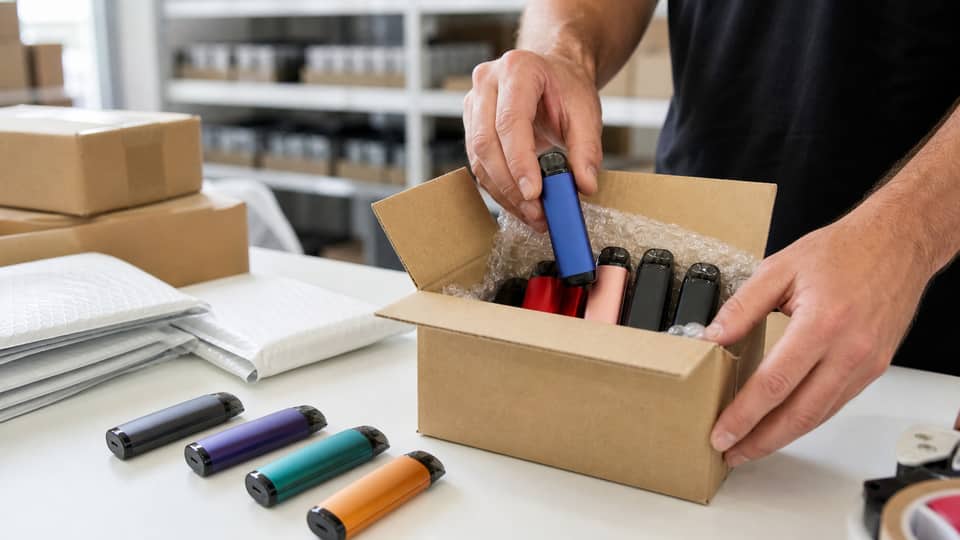
A vape that has fading flavour, weak vapour, an empty liquid indicator and no recovery after normal rest may simply be finished. Advertised puff count is an estimate, not a guaranteed exact number of draws. Draw length, frequency, airflow setting, battery condition, operating mode and storage temperature all affect practical duration.
This is especially important for high-puff disposable and rechargeable disposable products. A larger advertised puff count does not mean every user will get the same lifespan. Heavy use, long draws or higher-output modes can shorten the real-world result.
What Not to Do When a Vape Stops Working
- Do not open a sealed vape or try to reach the battery.
- Do not puncture, bend, heat or squeeze the device.
- Do not short contacts or scrape internal parts.
- Do not add liquid to a product not designed for refilling.
- Do not charge a non-rechargeable, wet, leaking, cracked or hot device.
- Do not continue using a device that tastes burnt, metallic or chemical.
Immediate Stop-Use Conditions
Stop immediately if you notice swelling, leaking, cracks, smoke, fumes, hissing while idle, unusual heat, burnt taste, metallic taste or chemical smell. A device showing those signs should not be “tested” with repeated draws or charging attempts. Move it away from heat and combustible material and follow the product supplier’s disposal or return guidance.
Related Troubleshooting Guides
If the issue is mainly a tight draw, read the tight draw and blocked airflow checks. If the device gets warm, use the vape overheating guide. If the battery drains too fast, compare the battery dying quickly guide. For a removable pod issue, see the pod not detected guide.

Frequently Asked Questions
Why is my vape not working even though it lights up?
The light may show power but not liquid supply, airflow or coil condition. Check vapour, flavour, indicators and draw feel together instead of relying on one light.
Can I fix a disposable vape that stopped working?
You can only try safe external checks such as battery status, visible airflow, room-temperature rest and normal charging for confirmed rechargeable models. Do not open or repair sealed hardware.
Why does my vape work for a second then stop?
It may be hitting a draw limit, heat protection, low battery or airflow interruption. Use shorter normal draws and stop if heat, abnormal taste or leaking appears.
Should I charge a vape that will not work?
Only charge a model confirmed as rechargeable, using the documented method, while the device is dry, intact and cool. Never charge a swollen, leaking, wet, cracked or hot device.
Does no vapour mean the vape is empty?
It can, but low battery, blocked airflow or activation issues can feel similar. Empty liquid plus fading flavour and weak output is a stronger end-of-life clue.
Why is my disposable vape blinking?
Blinking may indicate low battery, low liquid, a long draw cut-off, a connection issue or a protection state. The exact meaning depends on the model’s indicator design.
Is it safe to keep trying if the vape tastes burnt?
No. A burnt, metallic or chemical taste is a stop-use sign. Continuing repeated draws may worsen the issue and does not restore depleted liquid or a damaged wick.
Final Summary
A vape not working should be checked in a calm sequence: exact device type, battery, liquid, airflow, temperature, pod fit and visible condition. If safe external checks do not restore normal operation, treat the device as finished or faulty. Do not force a sealed product back to life, and stop immediately when heat, swelling, leaking or abnormal taste appears.


